01
Chart quality matters for billing
Under-documenting complex cases costs physicians money. I saw it happen every shift. Proper MDM structure is the difference between accurate reimbursement and leaving money on the table.
How 5 years as an ED scribe revealed a problem no one was talking about.
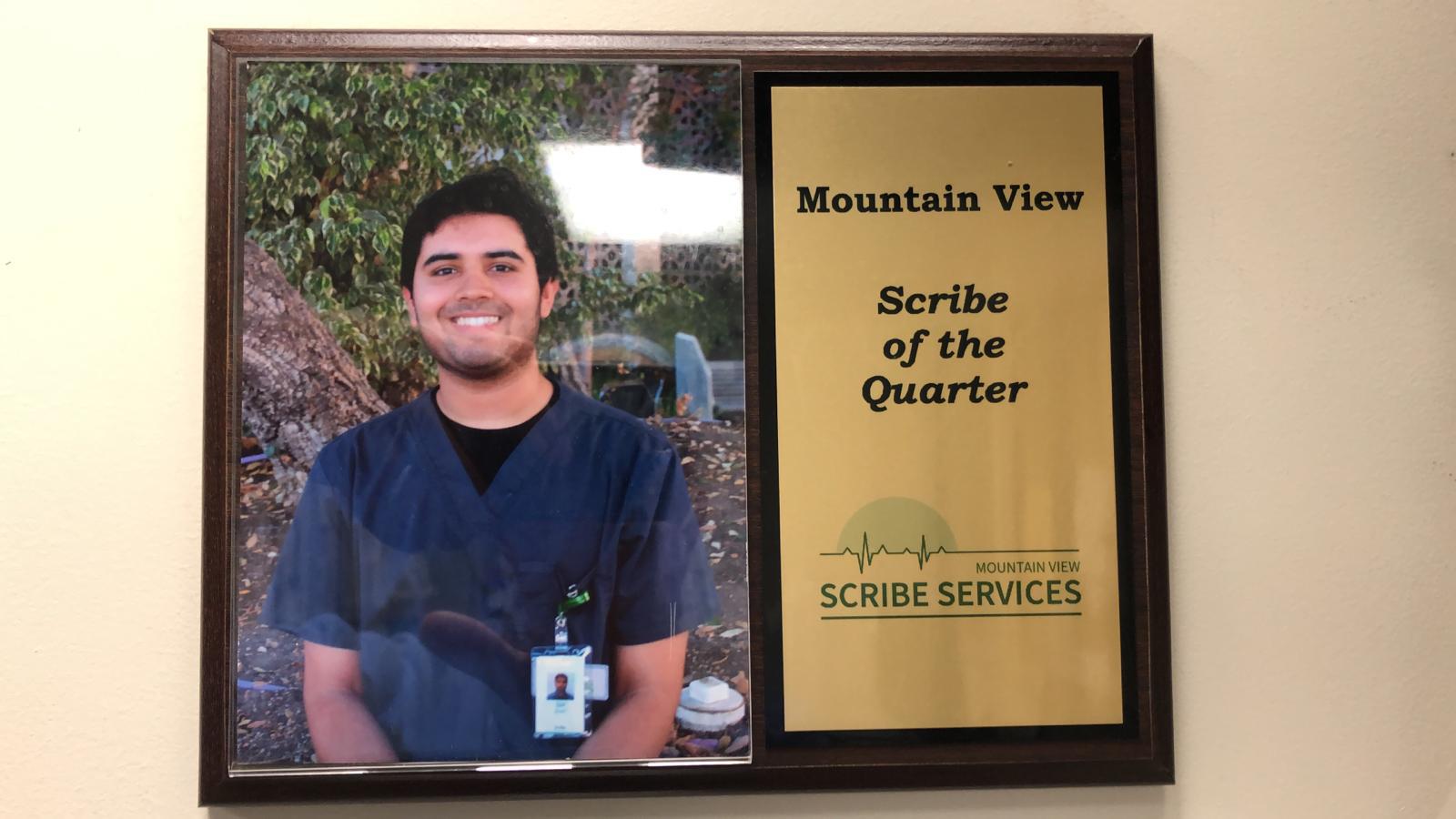
I spent 5 years as an Emergency Department scribe at San Antonio Regional Hospital, documenting thousands of patient encounters in a high-volume ED. I saw firsthand how much time physicians spent charting instead of caring for patients — and how often documentation didn't capture the full complexity of their clinical decision-making.
I watched attendings stay late every shift to finish charts. I saw brilliant clinicians under-document complex cases because they were exhausted. I heard the frustration when billing didn't match the actual work they did.
But there was another problem — one that was structural, and one that nobody was fixing.
Scribing attracts pre-med students. Driven, smart, and completely temporary. Every few months, a new cohort would rotate in.
They'd make mistakes that experienced scribes wouldn't — missed details, wrong structure, incomplete MDM. And every time, it was the physician who caught it. Doctors already working exhausting shifts were now double-checking scribe work on top of everything else. The tool designed to reduce their burden was quietly adding to it.
I saw this cycle repeat itself for five years. New scribe, same mistakes, same added work for the physician. The system assumed a consistency it could never deliver.
The worst part? I knew exactly what was missing. After writing thousands of MDM sections manually, I understood the three E/M complexity pillars by heart. I knew which details mattered for billing and which didn't. I knew the difference between a well-documented chart and one that would get audited.
So I built Cagnea — but not alone. I partnered with the emergency physicians I'd worked with for years. They told me what they actually needed, not what I assumed they wanted. Together, we built the AI scribe that works the way ED physicians actually work. One that doesn't rotate out. One that doesn't have a first week. One that just works — accurately, consistently, every session.
We're not a tech company trying to understand healthcare. We're medical professionals who turned to technology to fix something we lived through. The result is software that understands how doctors actually work — not another tool that requires a training program before it's useful.
Under-documenting complex cases costs physicians money. I saw it happen every shift. Proper MDM structure is the difference between accurate reimbursement and leaving money on the table.
That's where E/M level coding happens. Miss one of the three complexity pillars and you're under-coding. I wrote thousands of these sections manually — I know what auditors look for.
If it wasn't said, don't write it. One wrong detail can sink a chart. The fastest way to lose a physician's trust is to add information they didn't provide.
Leading to incomplete timelines and compliance issues. Tracking every patient interaction with proper timestamps isn't optional — it's required documentation.
Fast notes are useless if they're wrong. The goal isn't to document quickly — it's to document correctly, efficiently. That's what Cagnea does.
The role is temporary by design. Most scribes are pre-med students rotating through before medical school, which means there's a permanent cycle of onboarding, mistakes, and correction — and it's the physician who pays the price. The tool built to reduce burden was quietly creating one.
To give every emergency medicine physician the documentation support they deserve — without sacrificing accuracy, time, or billing integrity. We're building the AI scribe that actually understands ED workflow because we've lived it.
Built by people who lived the problem. Get back to caring for patients — we'll handle the documentation.